

Talk to an Expert

Networking

Load Balancers

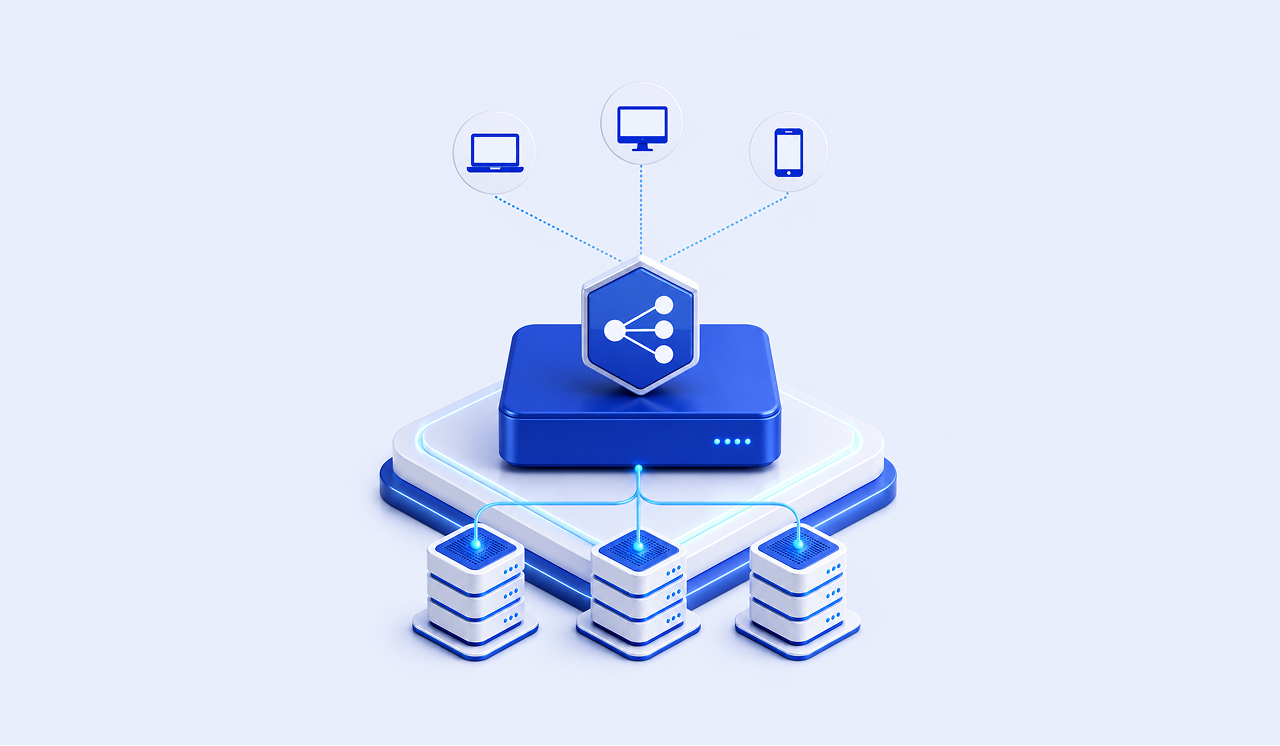
Distribute traffic intelligently across your Ryel ONE infrastructure to improve availability, eliminate single points of failure and deliver consistent application performance.

Deploy Layer 4 and Layer 7 load balancers with built-in health checks, SSL support and seamless integration across your Ryel ONE environment. Whether you’re balancing websites, APIs or internal applications, Load Balancers help ensure reliable and scalable service delivery.

Layer 4 & Layer 7

Flexible Traffic Distribution

Built-in Health Checks

Automatic Backend Monitoring

Managed by Ryel ONE

24×7 Expert Support

Overview

Intelligent Traffic Distribution for Modern Applications

Ryel ONE Load Balancers distribute traffic across multiple backend compute instances to improve application availability, scalability and performance.

Built on enterprise-grade load balancing technology and fully managed through the Ryel ONE platform, Load Balancers support Layer 4 and Layer 7 traffic management with instant provisioning, SSL termination and health monitoring.

Whether you’re running a public website, business application or internal service, Ryel ONE Load Balancers help eliminate single points of failure while simplifying traffic management.

Layer 4 & Layer 7

Distribute TCP, UDP, HTTP, and HTTPS traffic efficiently across backend services.

Session Persistence

Keep users connected to the same backend for consistent application sessions.

Health Monitoring

Continuously monitor backend health and automatically route traffic to healthy instances.

Public & Private

Deploy load balancers for internet-facing applications or secure internal services.

API Management

Provision, configure, and manage load balancers through APIs and the Ryel ONE Dashboard.

SSL Termination

Offload SSL processing or use SSL passthrough for secure end-to-end encryption.

Managed Service

Let Ryel ONE deploy, monitor, and maintain your load balancing infrastructure.

Enterprise Load Balancing

Layer 4

Distribute TCP and UDP traffic across backend servers.

Layer 7

Route HTTP and HTTPS traffic intelligently for better performance.

Algorithms

Choose the best traffic distribution method for your workload.

Monitoring

Automatically detect unhealthy servers and reroute traffic.

SSL

Secure connections with flexible SSL deployment options.

Persistence

Keep user sessions consistent across backend servers.

Instant Provisioning

Automatically detect unhealthy servers and reroute traffic.

API Ready

Provision and manage Load Balancers using the Ryel ONE API.

Deliver Highly Available Applications

1. Create

Create a new load balancer to distribute incoming traffic.

2. Connect

Add backend servers that will receive application traffic.

3. Monitor

Configure health checks to ensure only healthy servers receive requests.

4. Secure

Assign SSL certificates to enable encrypted connections.

5. Launch

Start routing traffic to deliver reliable application performance.

Build for Every Workload

Public Websites

Distribute traffic across multiple web servers.

APIs

Deliver consistent API performance.

Business Applications

Improve application resilience and scalability.

Kubernetes

Load balance ingress traffic to worker nodes.

Internal Applications

Deploy private load balancers for internal services.

Multi-tier Architectures

Separate frontend, application, and backend traffic.

Choose How You Manage Load Balancers

Self-Service

Deploy and manage Load Balancers through the Ryel ONE Dashboard.

API Automation

Provision infrastructure programmatically.

Managed Service

Let Ryel ONE configure, maintain, and optimize your Load Balancers.

Enterprise Consulting

Architecture, scaling, and operational guidance from Ryel ONE experts.

Work Across Your Platform

Supported Integrations:

General Compute

Balance traffic across standard virtual machines and compute instances.

High CPU

Optimize traffic for CPU-intensive workloads and applications.

High Memory

Support memory-intensive databases and enterprise applications.

High Storage

Distribute requests across storage-optimized compute resources.

Cloud Firewall

Secure applications with integrated firewall protection and filtering.

Virtual Private Cloud

Deploy load balancers within isolated and secure cloud networks.

Private Networking

Enable fast, secure communication between internal workloads.

Public IP Addresses

Expose applications securely through dedicated public IP addresses.

Designed for Reliable Service Delivery

Reliable traffic delivery.

Single Zone Deployment

Ideal for production workloads within a single availability zone.

Public Load Balancers

Optimize traffic for CPU-intensive workloads and applications.

High Availability

Deploy redundant Load Balancers for increased resilience through our High Availability add-on or Managed Services.

Internal Load Balancers

Distribute traffic across private workloads without public exposure.

Managed Load Balancer Services

Our engineers can fully manage your Load Balancer infrastructure.

Architecture Design

Performance Optimization

Backend Configuration

Security Hardening

SSL Certificate Management

Routine Maintenance

Health Check Configuration

Change Management

Scaling Assistance

Ongoing Operational Support

Pricing

Pay Only for the Bandwidth You Use

Load Balancer pricing is based on bandwidth consumption, allowing you to scale efficiently without paying for unused capacity.

Get Started Today

FAQS

Get Answers to Your Container Registry Questions

Find answers to the most common questions about our Container Registry service. Learn how to securely store, manage, and distribute container images while streamlining your deployment workflows.

What is a Container Registry?

A Container Registry is a centralized repository used to store, manage, and distribute container images for application deployment.

A Container Registry helps teams securely store container images, streamline deployments, and maintain consistency across development, testing, and production environments.

Yes. Container Registries support image versioning and tagging, making it easy to track, update, and roll back application versions.

Yes. Container Registries integrate seamlessly with Kubernetes, allowing clusters to pull and deploy container images efficiently.

Absolutely. Container Registries work with CI/CD tools to automate image storage, distribution, and application deployment workflows.

Trusted by global enterprises

Ready to Scale Your Storage with Confidence?

Deploy high-performance Block Volumes that deliver reliability, flexibility, and seamless scalability for your business-critical workloads.

    Book Architecture Review